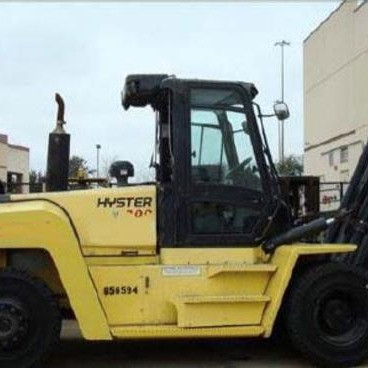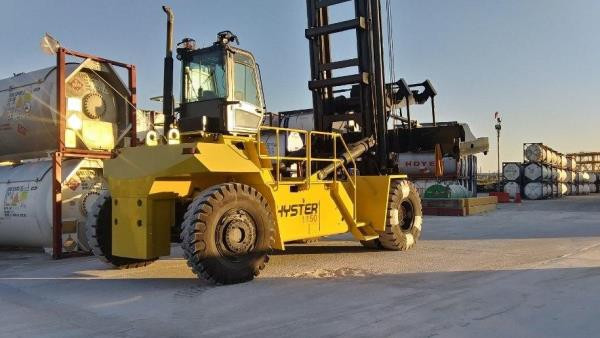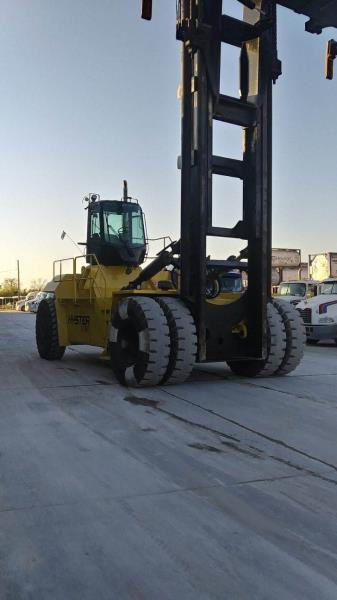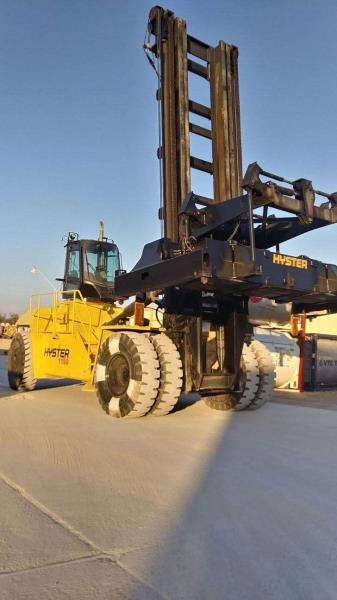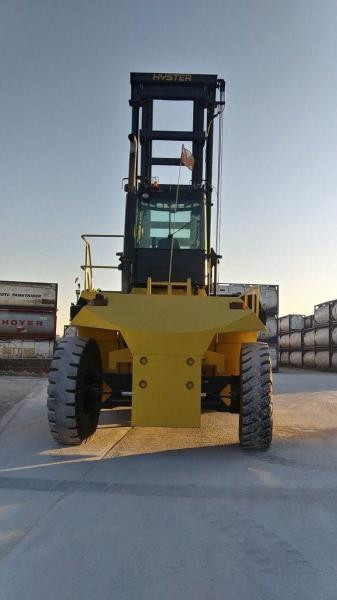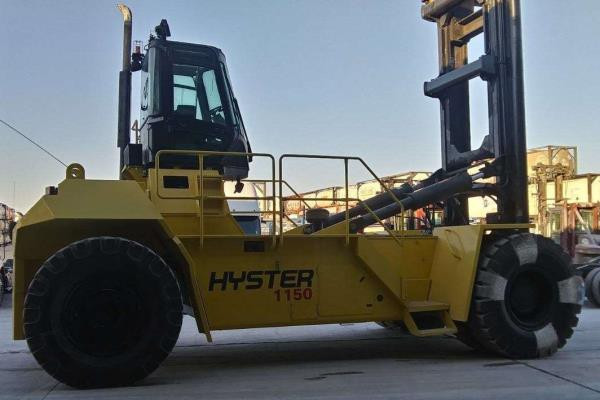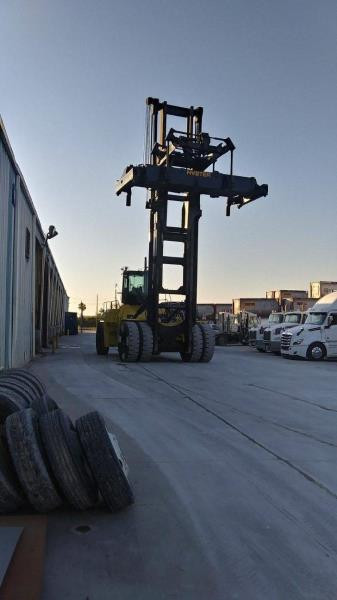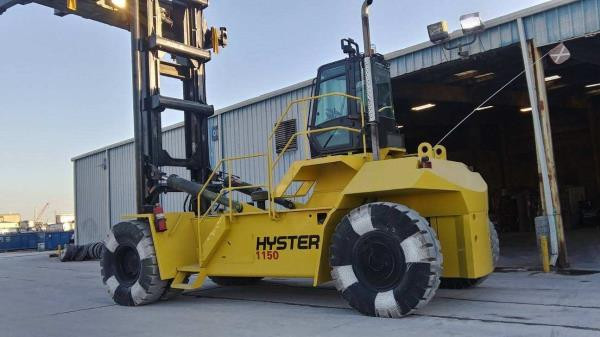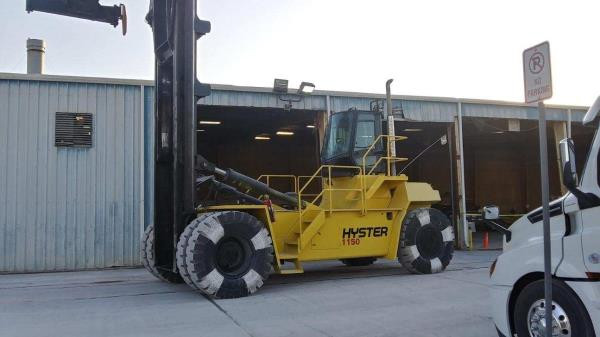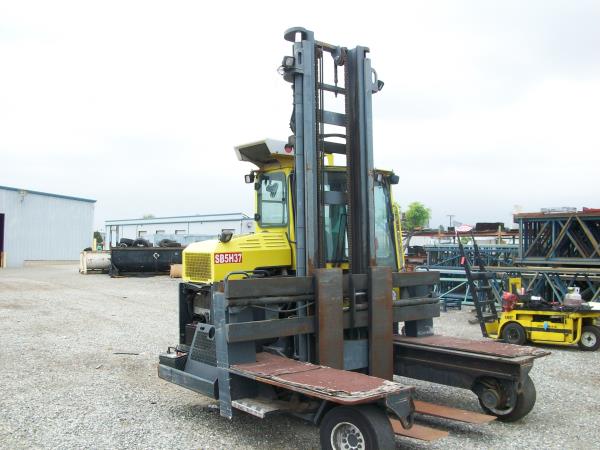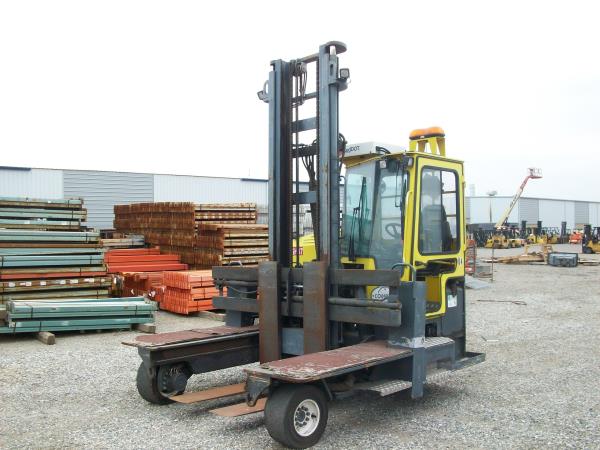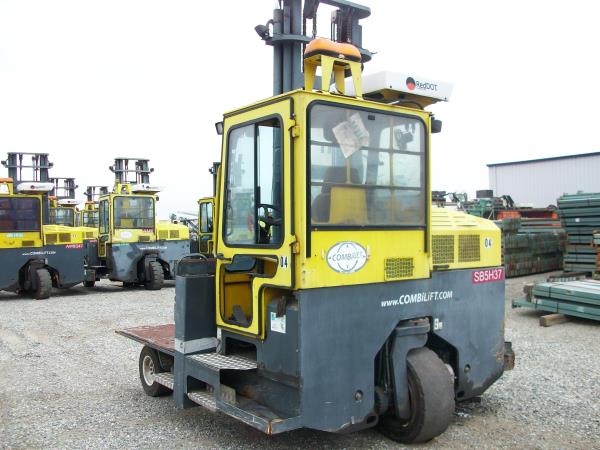


Used Forklifts Wisconsin - Usually utilized within warehouse applications is the Narrow Aisle Forklift. These forklifts are essential machines in the business as their excellent maneuverability and small size allow warehouses to make the most of storing space. They can easily pass aisles which are 1.8 meters wide, while standard lift trucks require at least 3.4 meters of aisle width. The two kinds are "narrow aisle forklift" and the "very narrow aisle forklift". The first need 2.4 meters - 3 meters in aisle width, whilst the latter could function in a 1.8 meters wide space. The narrow aisle forklift design includes forks positioned at right angles to the body of the truck. The trucks do not have to face the shelves, but instead drive straight down the aisle picking up loads to the side. This design feature is the key to their suitability for limited spaces. Several very narrow aisle forklifts come with wire or optical guidance systems which ensure the forklift moves in a straight line down the aisle, that leaves the operator free to focus on load placement and picking. The cushion tires that come with these kinds of lifts are made of solid rubber. The hard tires perform well on paved, smooth surfaces and concrete floors. Narrow aisle forklifts have electric motors which is best utilized within indoor environments. Propane-powered models are available too. Electric lifts produce no exhaust, that makes them the equipment of choice for indoor applications where the quality of air is a problem. Electric forklifts are clean and quiet. They are 20% to 40% more expensive to buy than IC lifts, but the per-hour operating cost of electric models is much less. The downside is that batteries need 16 hours to charge and cool down, so the purchase of an extra set of batteries is recommended. Electric lifts are not limited for use indoors, but when utilized outdoors they must be utilized cautiously. Internal Combustion forklifts are for outdoor use, and their carrying capacity is more than electric forklifts. If your fleet usually runs on one type of fuel, it may be a wise idea to buy an IC unit that uses the same kind of fuel. They could function on diesel, gas or propane. Diesel is the most economical. IC forklifts have the advantage of being easy to refuel and less expensive to operate; nonetheless, their per-hour cost to operate is higher. Most IC models cannot be used indoors. Hyster is a global business that builds over three hundred distinct models of forklifts. However, it began as a producer of lifting equipment and winches. Most of its production was focused in the Pacific Northwest and dealt primarily with the lumber and logging industry. A couple years after the 1st forklift trucks were invented Hyster became synonymous with quality manufacturing. Over the last eighty years Hyster has continued to expand and increase its product line. The growth of its products coupled with its want to stay service oriented has allowed Hyster to mature into the intercontinental participant it is at the moment. All Toyota machines and components designed within North America adhere to the International Organization for Standardization or ISO 14001 standard. TIEM has been honored many times for its dedication to continual progress, and its environmental methods. It is the first and only maker to offer EPA and CARB-certified Compressed Natural Gas powered lift trucks on the market. For example, the Toyota 8-Series IC lift trucks emit 70 percent less smog forming emissions than the existing federal EPA standards and have complied with California’s strict emission standards and regulations. Jungheinrich is presently amongst the top suppliers of lift trucks, material flow technology and warehouse technology across the globe. They are Number 1 in Europe for system technology. The company provides a complete product range of rack systems and material handling equipment along with services from a manufacturing logistics service provider. Jungheinrich is the 3rd biggest supplier of lift truck trucks for the materials handling trade. They realized their remarkable growth due mainly to their quality lift truck designs and innovative technology. They have developed a host of ergonomic and productivity enhancements for their fleet and introduced a proprietary 3-phase AC motor and controller technology. Jungheinrich has over 300 service and dealer facilities strategically located all around Canada, the United States and Mexico. The company is proud to simplify your material handling requirements by providing customized solutions. Jungheinrich offers a vast line of lift trucks that function remarkably in various applications. These machines are well-suited to accomplish jobs in a diverse setting. They can complete food processing, order picking, stacking and warehousing applications with ease.
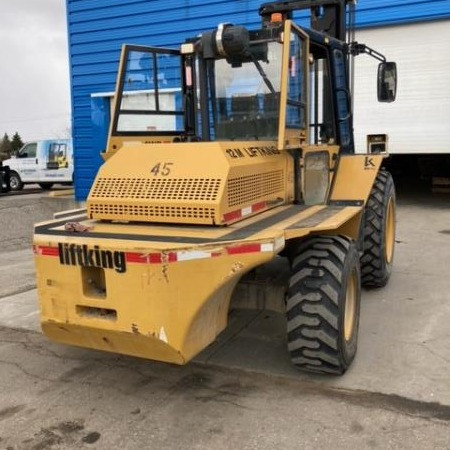
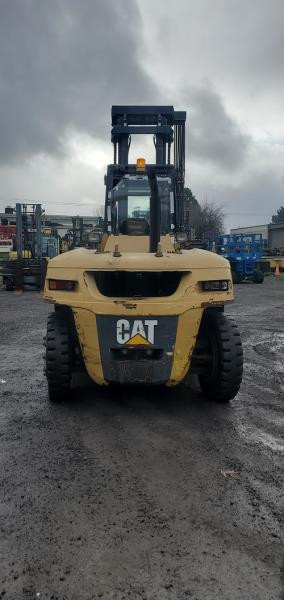
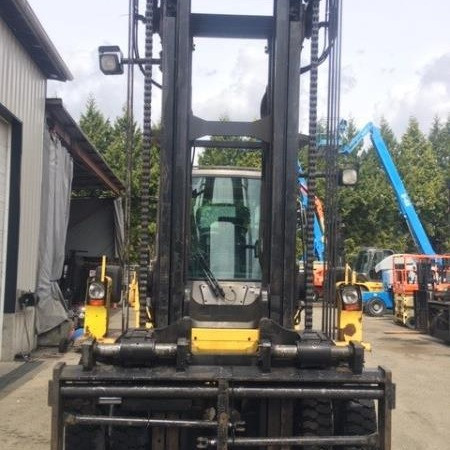
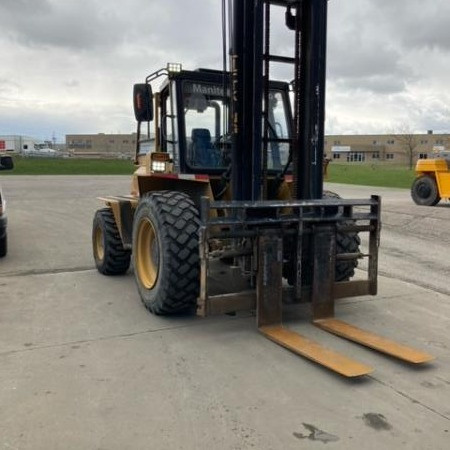
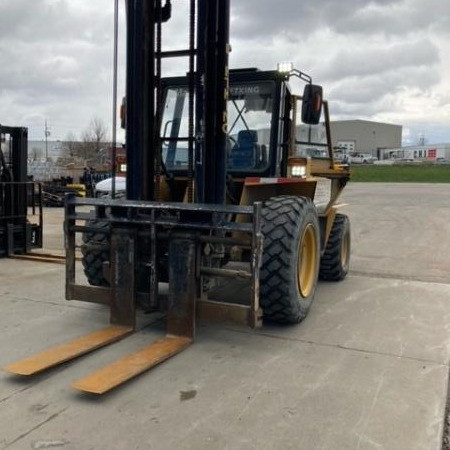
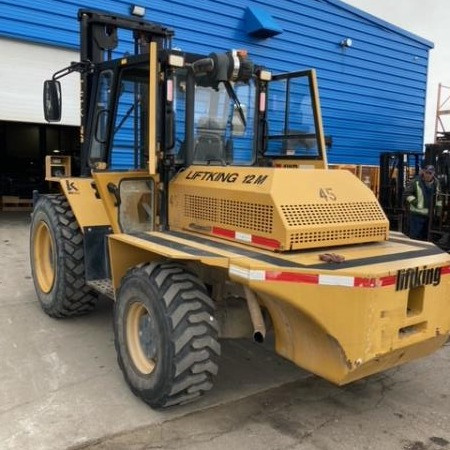
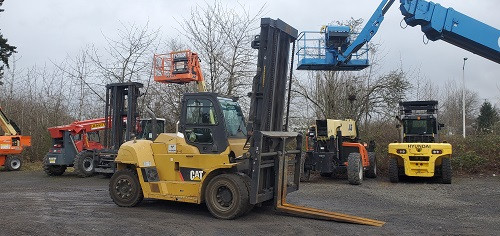
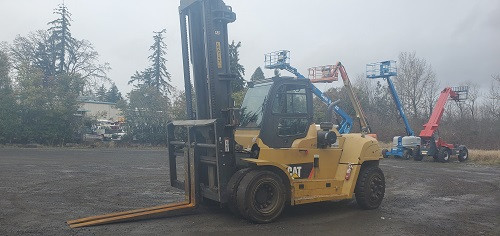
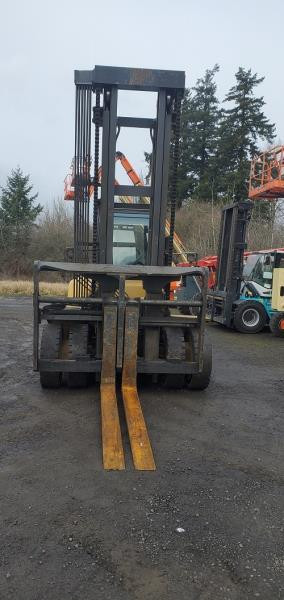
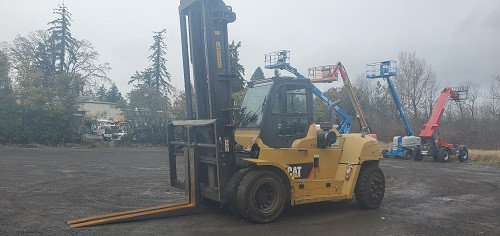
CAT: CAT 4 Wheel Drive Forklifts Wisconsin - Mainly rough terrain vehicles are utilized to handle stacks of wood, pallets of concrete blocks and other handling tasks on rough surfaces and the surfaces are not paved. These equipment are made to work in extreme settings. Numerous rough terrain forklift units are capable of carrying a few tonnes at the same time. These kinds of machines are the ideal application for heavy work. Rough terrain forklifts are available in a variety of configurations. They are complete with 4 wheel crab steering, 2 wheel steering and 4 wheel steering. Typically, these machines are powered by an IC engine, frequently diesel. This kind of fuel supplies the machinery the power it needs for speed and acceleration. A Brief History Manitou initially introduced the 4-wheel drive rough terrain forklift in the latter part of the 1950s. They were manufactured within Ancenis, France. Not long after, during the 1960s, the very first telescoping boom rough terrain lift truck came about. This specific model changed the way materials were handled within congested construction sites, especially places where conventional models of industrial products were not being utilized. Various improvements have been made in the last three decades on the automatic hydraulic frame and the telescoping boom. These modernized designs have really enhanced stability and load capacity. Numerous improvements of safety features have changed this materials handling option into a vital device. The rough terrain lift truck is utilized in many key industries like farming, mining, construction and military applications. Certain models of rough terrain forklifts could be used on every surface, rough and paved. These units are known as all-terrain forklifts. This equipment is capable of transporting things from within the warehouse to outside waiting transportation and vice versa. Being equipped with deep tread tires, helps guarantee that the vehicle could be utilized in the majority of outdoor applications. They can successfully function on uneven, slippery or rough surfaces. The huge pneumatic tires can travel easily over snow, mud, wood, rocks, ice and sand. 4 wheel drive forklifts have helped to revolutionize the market and are here to stay. By keeping up your maintenance schedule, your forklift can serve you for numerous years to come. These machines have to be inspected and taken care of on a daily basis, specially when they are working outdoors in difficult and dirty applications.
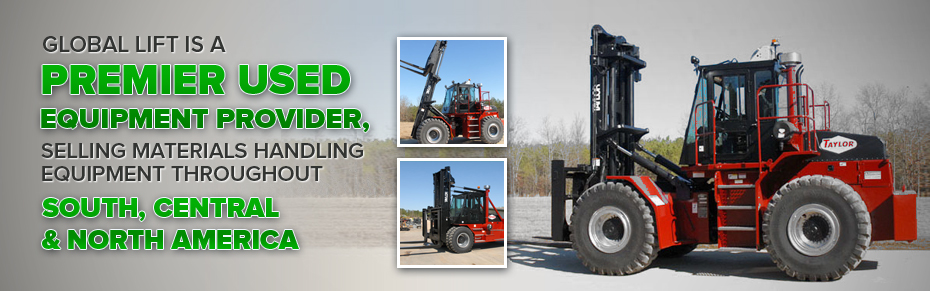
Taylor: Taylor Lifts Wisconsin - It doesn't make a difference what kind of company in particular you have, if there are machinery or components which have to be moved, it is absolutely necessary to have a lift truck. Whenever you are in a situation that you have to transport objects which are too heavy for 2 or 3 individuals to move by themselves, or things which should be lifted, a piece of machine is important. Factories have been using lift trucks ever since the 1920s to make certain that their lifting power is used more effectively to safe not just time but money too. Like for example, having a load capacity of 1 to 5 tons, and transporting heavy pallets across the building from place to place or even from shelving high to the ceiling down to the floor, the workload is a lot more evenly distributed on a lift truck. These pieces of heavy industrial machinery have revolutionized the way that the material handling business operates. A forklift or lift truck is a factory's equivalent to a heavy duty vehicle. The operator sits inside the cab and there is an available dashboard which displays all of the controls, levers and readouts. With an overhead guard, the driver is also protected from spills which could inadvertently take place up above. The forks and tines are utilized for different tasks, and can be moved to meet certain needs. These equipment could also tilt their forks back and forth in addition to typical lowering and raising. The forks can move sideways as well. They could be manually moved in or spread out for pallets which are smaller. For lift trucks, there are many kinds of available fuel sources. These machinery can be operated electrically with a battery, by hand, or need an IC engine. The electric units can either be AC or DC. They can work with a battery or fuel cells. Typically, the gas tank is located behind the drivers' seat and there different options regarding the kind of gas used. The machinery starts up with a key in order to help stop people who are unauthorized from gaining access to them. These machinery could be adapted to suit your particular needs and there are a range of pallet jacks, which are smaller fork trucks operated electrically or by hand. There are much larger models offered too, such as the order pickers. Several businesses and larger factories could use a combination of machinery, as they rely on various sizes for various places inside the building.
Toyota: Toyota Narrow Aisle Forklifts Wisconsin - Kinds of Tires Cushion tires are usually considered solid tires with no tread pattern. These tires are designed for indoor solid and smooth surfaces. There are tread patterns available though, that are a lot suitable for various surface environments. The cushion tires are popular on smooth warehouse floors and in similar applications. Pneumatic tires on the other hand would require air and are made specially for uneven ground and loose surfaces. The pneumatic tire provides a higher ground clearance over solid tires. This raises the center of gravity of the forklift and greatly lessens its rated lift capacity. More often than not, pneumatic tires are used in rough terrain surroundings due to their ability to negotiate uneven surfaces in a smoother manner. Many mining or agricultural operations and construction sites depend on these tires to be able to make certain the equipment can travel as safe and carefully as possible. Lift height and Lift Capacity It is important to know the maximum weight and dimensions of the loads you would be handling in order to determine the capacity of the vehicle needed. In addition, you would have to know the maximum fork height required so as to stack or rack the loads. These factors, the load size as well as the lifting height, greatly affect the lift capacity of the truck. A bigger size load can move the center of gravity of the vehicle and change the load combination. This reduces the lifting capacity of the machine as well as affects the height and the load being lifted. Utilizing different types of attachments can also affect the truck's overall capacity. Mast Options On the market today are several different options of forklift masts. These comprise: single, double, triple and quad masts. The number indicated the amount of sections on the mast. In various circumstances, you will not be needed to make any choices as the lift height will dictate the type of mast you would get, however, in trucks with really high lift heights, you may have a choice.
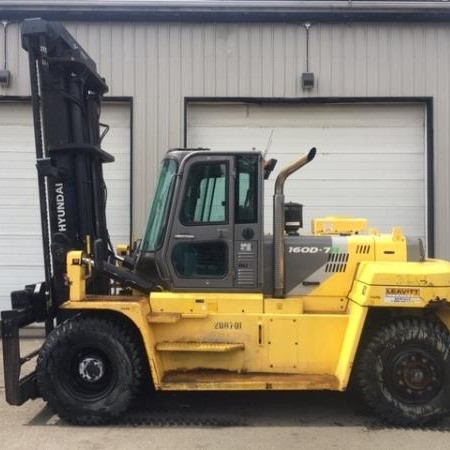
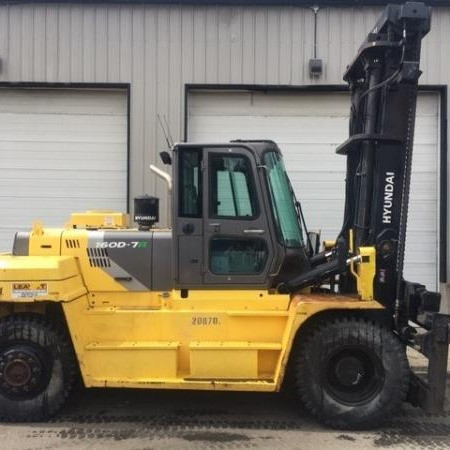
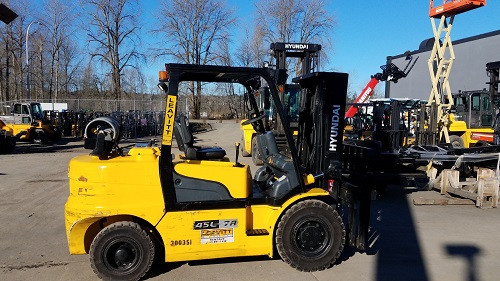
Hyundai: Hyundai Dual Fuel Forklifts Wisconsin - Forklifts In construction, material handling, warehousing and manufacturing applications, forklifts are usually used to move and raise palletized loads. With manual-drive forklifts, the travel or load movement is either walk-behind or powered manually. Motorized drive forklifts have a motorized drive. In various models, the forklift has a protected cab or seat for the driver. Fork trucks include features like for example cabs, and backup alarms and are additionally motorized. Some models of forklifts are counterbalanced in order to prevent the vehicle from tipping over. Other models are offered with safety rails, or a rotating element like for example a hand rail or a turntable. Other factors that are essential to think about when choosing a forklift are the lift capacity and stroke. Lift capacity is defined as the maximum, supportable load or force. Stroke is defined as the difference between completely lowered and completely raised lift positions. Some of the other vital specifications for the forklift include fuel type and tire type. The available fuel choices include: natural gas, liquid propane or LP, CNG or compressed natural gas, electricity, gasoline, propane or diesel. There are two basic kinds of tires for forklifts and fork trucks: solid and pneumatic. The cushion or solid tires require less maintenance than pneumatic tires and do not puncture easily. Air-inflated or pneumatic tires provide load cushioning and great drive traction. At the end of the day, cushion or solid tires offer less shock absorption. Generally utilized on rough terrain are Class VII forklifts. These machinery are normally utilized in construction, agriculture and in logging environments. Last of all, Class VIII forklifts have all personnel and burden carriers. Dual Fuel forklifts typically fit in this class.
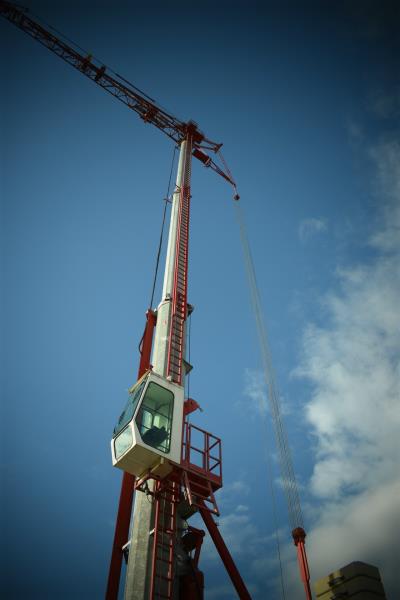
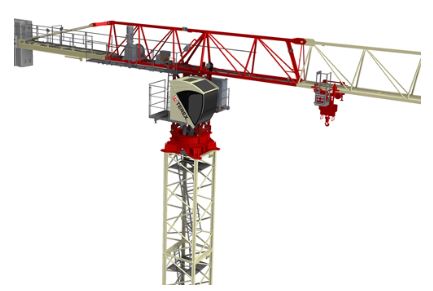
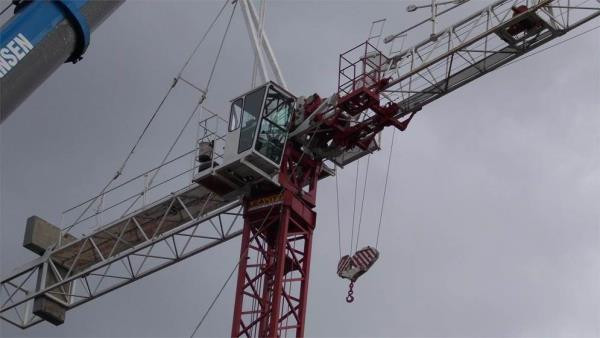
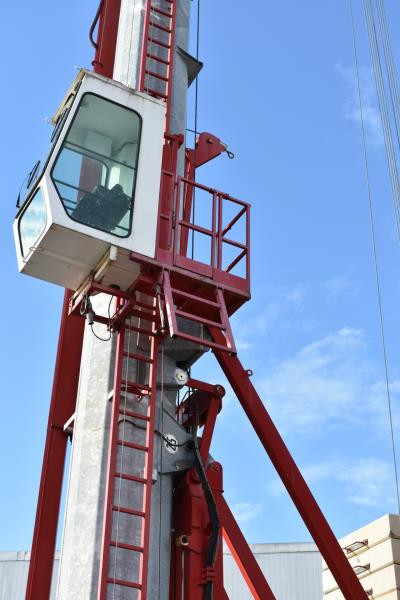
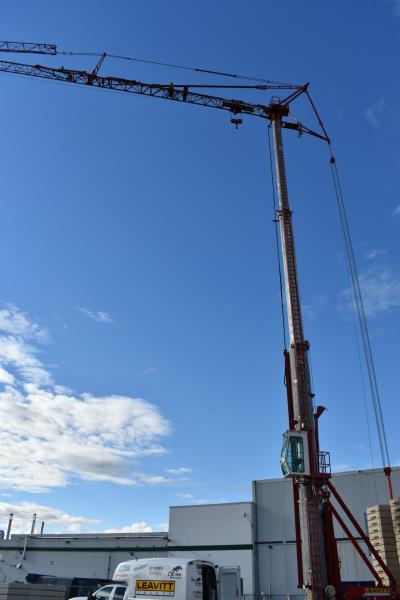
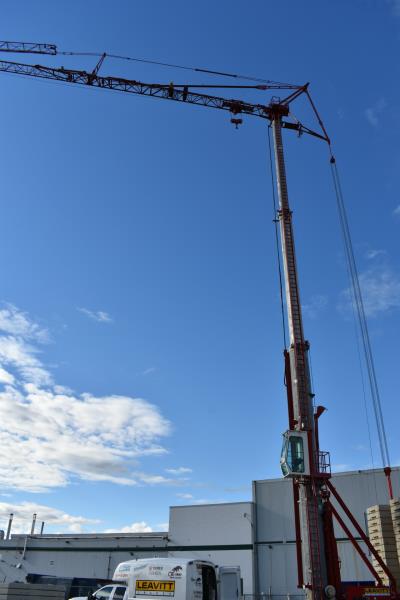
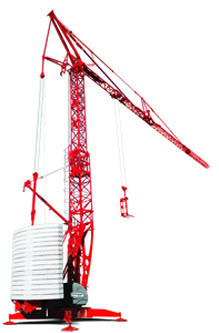
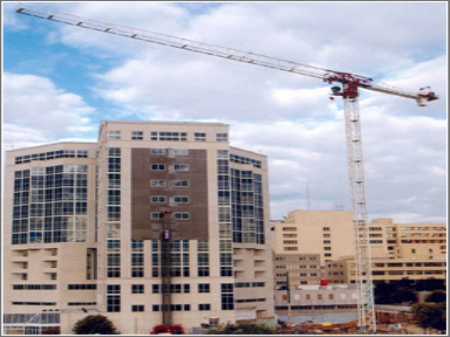
Comansa: Comansa Tower Cranes Wisconsin - Ever since the year 2011, the Linden Comansa company has offered its customers the LC 1600 series tower cranes. This series consists of the models: 16 LC 260, 16 LC 220 and 16 LC 185. These models are available in various versions of maximum load. The design of the LC 1600 series enables Comansa to keep their fundamental premises, like modularity and easiness of assembly and transport. The series offers a load capacity between 8 and 12 tons, placing between the 5 to 8 ton capacity of the LC1100 and the 12 to 48 ton LC2100 model. Furthermore, the LC1600 family brings together the advantages of both series that shares a variety of elements. The family of tower cranes which has been engineered with every advantage known and proved by Linden Comansa's Flat-Top modular system is the LC 2100. This series includes many innovations in the specific equipment. There are 4 Flat-Top cranes in the LC 2100 series. These cranes have the denominations of 21 LC 400, 21 LC 290 and the 21 LC 550. The latest addition to the series is the 21 LC 750. The 21 LC 750 crane is the largest in the series. It is equipped with 7 tons of jib-end load and 80 meters of jib length. This tower crane provides a maximum load of 48 tons. The LC3000 series by Comansa is formed by 2 models: the 30 LC 1100 and the 30 LC 1400. These two models are also in 3 different versions with various load capacities. The ranges of load capacities are 32, 48 and 64 tons or 70,550; 105,820 and 141,090 lbs.. The biggest Flat-Top tower cranes have mainly been designed for public works, heavy industry, mining and construction applications. The Linden Comansa company has manufactured large capacity cranes for lots of years. Since designing this series, the overall delivery and manufacturing timeframes are much shorter now. The company has maintained highly competitive pricing for their machine.
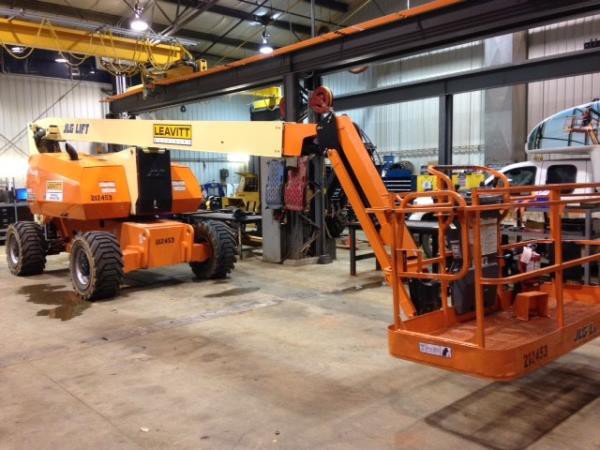
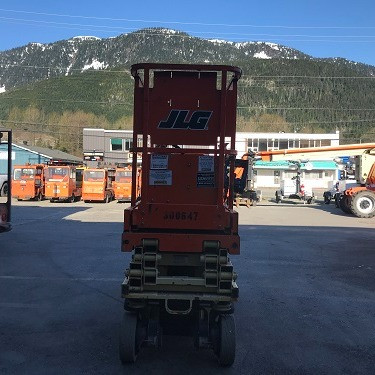
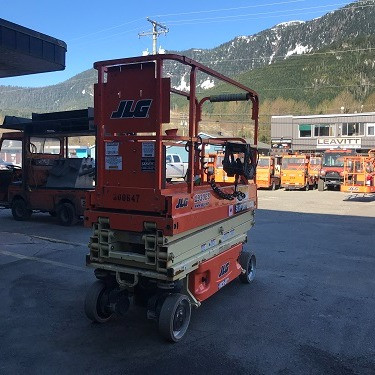
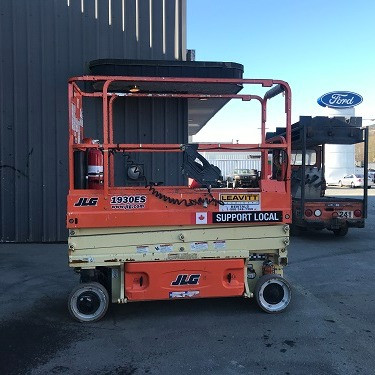
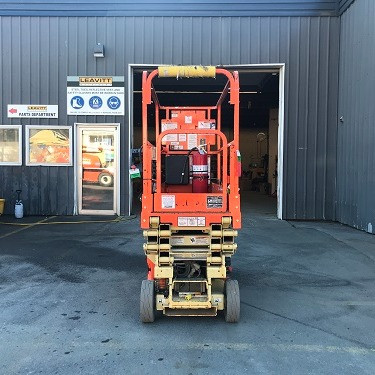
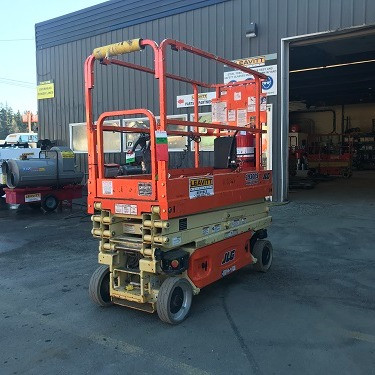
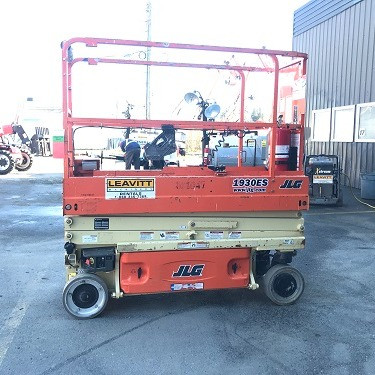
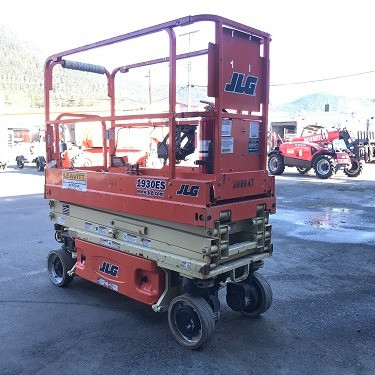
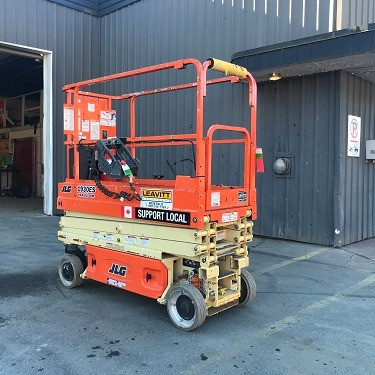
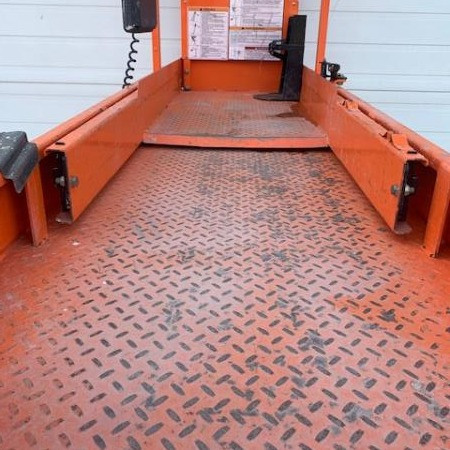
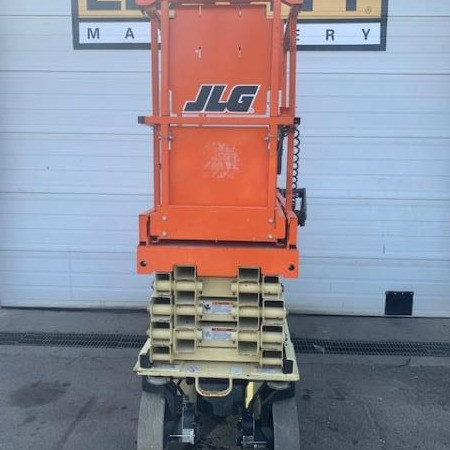
Haulotte: Haulotte Rough Terrain Scissor Lifts Wisconsin - Industrial lifts have traditionally been used in manufacturing and production environments to help lift and lower supplies, employees, and merchandise. The scissor lift, also referred to as a table lift, is an industrial lift which has been modified for wholesale and retail settings. Most customers, who have been in a store late at night, shopping the aisles, have probably seen one, even though they did not realize what it was. Essentially, the scissor lift is a platform with wheels which performs similar to a forklift. In a non-industrial type of environment, the scissor lift is perfect for completing tasks that require the mobility or speed and moving of individuals and materials above ground level. The scissor lift is a unique machinery in that it does not use a straight support in order to hoist employees into the air. Instead, the scissor lift platform rises when the linked and folding supports under it draw together, making the equipment stretch upward. When the equipment is extended, the scissor lift reaches approximately from 6.4 to 18.8 meters or 21 to 62 feet above ground. This depends on the model's size and the purpose. Rough terrain scissor lifts are typically powered by hydraulics or electric motors. It could be a bumpy ride for employees in the lift going to the top. The design of the scissor lift keeps it from traveling with a constant velocity, as opposed to traveling slower with more extension or traveling faster during the middle of its journey. A really popular style of scissor lift is the RT or Rough Terrain class. Standard features of the RT units consist of increased power due to the internal combustion or IC engine. The variations come in gas, petrol, combinations or diesel. This is needed to handle the increased weights and steeper grades of 18 to 22 degrees which are usually connected with this style of scissor lift.
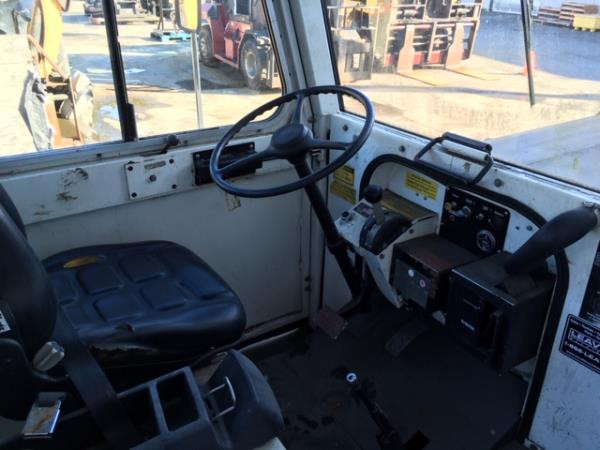
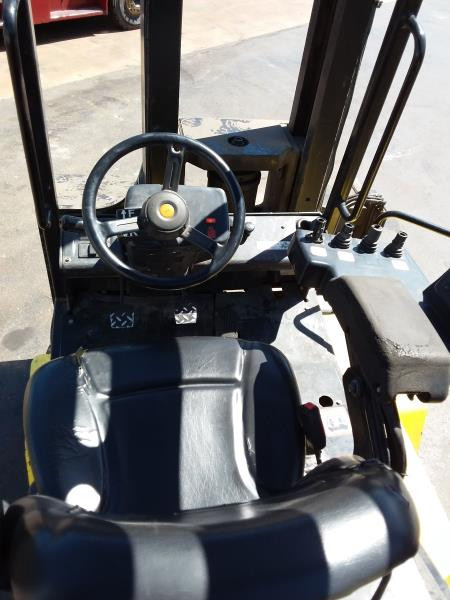
Komatsu: Komatsu Cushion Tire Forklifts Wisconsin - Forklift Controls In any warehouse environment, among the most common machines is a forklift or lift truck. These versatile machines are comprised of a vehicle with two split forks at the front that could move and carry heavy objects. Forklifts are able to maneuver in small spaces and capable of lifting objects into hard to reach, up high places. Forklifts are still extremely dangerous machinery and have to be used safely at all times, after correct training and certification has taken place. When new to a lift truck, make time to read the owner's handbook and be familiar with the controls. Be sure to take note of the location of each specific control and what specific feature it functions. Most lift trucks have two levers which control the forks. The first lever controls the height of the fork. In order to make the forks go down, you push the lever forward. To move the forks upwards, you simply pull back on the lever. There is a second lever which controls the forks tilt. This tilting capability enables for better distribution of weight. This tilting action helps to keep objects stable and won't allow things to fall off while driving. Furthermore, it helps objects slide off in a more balanced method when unloading. By pulling the second lever back, the forks would tilt back, when pushing the lever forward would tilt the forks forward. Several types of forklifts are outfitted with a third lever which controls the fork width. Each and every one of these levers is located just to the right of the driver's seat. Prior to utilizing the forklift, sit inside of it and go over what the controls do with a trained colleague. Be certain to do this when the forklift is turned off and not being used. Ask the qualified expert if you have any questions about how anything functions. Observation is usually the best method to learn new forklift skills. So take time to observe a coworker showing the function of each control. On hydrostatic lift trucks, notice that to be able to make the machinery go, you utilize the gas. And if you would like to make it stop, you simply release the gas pedal. There is no brake on these types of lift trucks. There are some hydrostatic models which are outfitted with battery powered engines that turn off when the gas pedal is released. They start up once the gas pedal is pushed again.
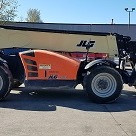
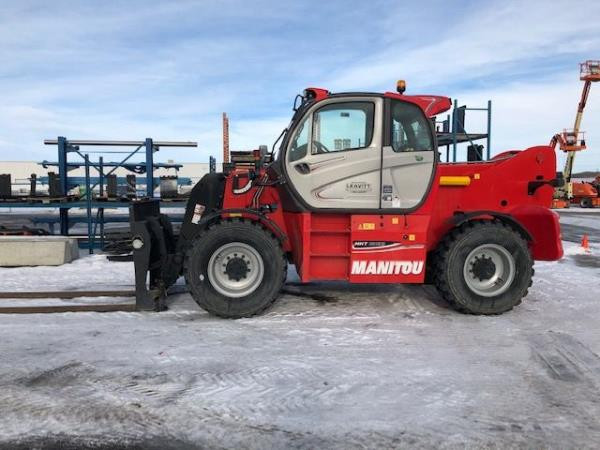
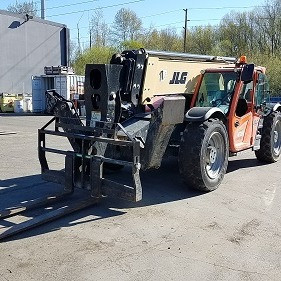
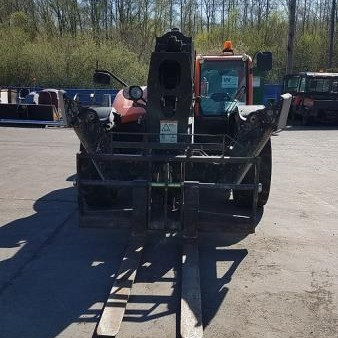
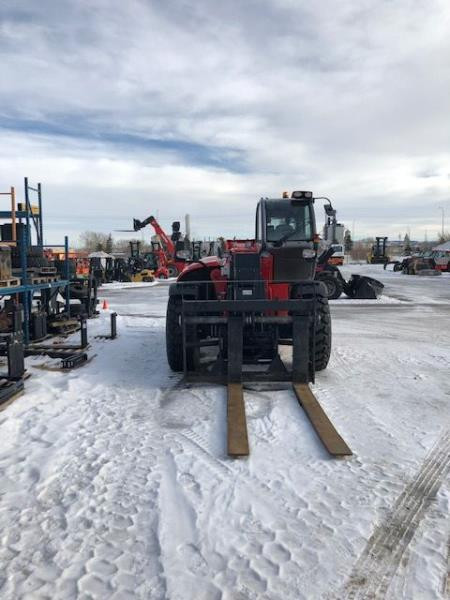
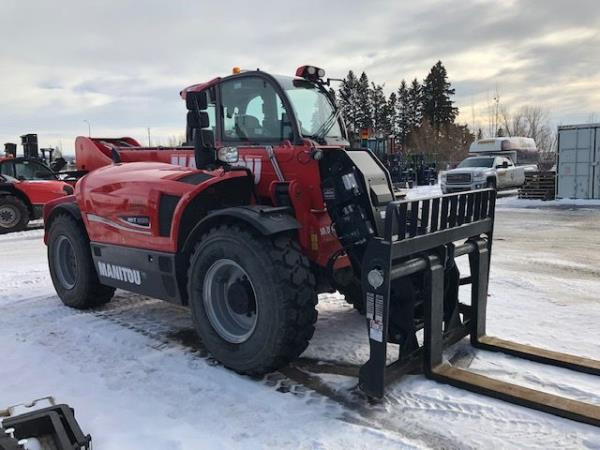
Manitou: Manitou Telehandlers Wisconsin - Telehandlers are large scale construction vehicles designed to raise heavy weights and materials. These are considered mainly a crane and forklift hybrid in terms of its capabilities and size. The boom is the telehandler's most prominent feature. It can be equipped with a variety of attachments so as to enable it to complete other tasks. An operator could remain safe while doubling or even tripling a telehandler's maximum lifting weight by using the right lifting angle and extension. It is important to keep in mind that if the arm is incorrectly utilized by accident, the equipment could tip over dangerously due to the lifting weight being drastically cut. The telehandler looks more like a crane in its visual manner, even though it has traits of both a forklift and a crane. The big extending boom arm makes it more similar to a crane as it is able to reach up to high areas. Because it is able to easily lift heavy items or equipment, the telehandler also performs like a forklift. Moreover, the arm looks like the end of a forklift. The Maniscopic Telehandler Range In the construction, agricultural and industrial markets, Manitou offers innovative material handling solutions which have revolutionized the way clients consider their applications. Manitou offers various unique handling solutions from compact to rotating models; they have something suitable for everybody. For all of your loading, placing and warehousing needs, the variable reach telehandlers offer an ideal solution. Manitou offers a large range of particularly designed attachments in an effort to suit all your industry needs. These attachments help to provide an optimum combination of versatility, performance and overall reliability. Companies could really save tens of thousands of dollars by buying one great machinery and outfitting it with different types of attachments to carry out all their tasks, instead of purchasing various types of heavy machines. Rotating Telehandler The MRT Series Telehandler is the most versatile telehandler presently on the market. The MRT provides 3-in-1 versatility to help carry out a wider variety of applications. The MRT Series of rotating telehandlers would lift personnel, and cargo from 68 to 80 feet or from 14 to 30 meters. These versatile equipment could easily accommodate cargo varying from 8800 to 10,000 pounds.
Jungheinrich: Jungheinrich Narrow Aisle Forklifts Wisconsin - The following add-ons are helpful for narrow aisle lift trucks: Side shift: The side shift option permits the movement of the load laterally without having to move the truck. This enables loads to be accurately positioned. Tilt mast: The optional tilt mast allows the forks to shift both backwards and forwards. This is perfect in cases where loads aren't entirely level. To be able to gain more stability when transporting a truck which is loaded, the mast can be tilted backwards. Extendable forks: Extendable forks help the reach of a forklift to allow for the stacking of pallets one in front of the other. This is referred to as double deep loading. Operator platforms: Operator platforms allow some NA forklifts to raise and lower the operator while the forks are being lowered or raised. This offers optimum control and visibility when handling cargo at heights of 6 m to 9 m. Lift Truck on a Ramp Drivers need to be correctly trained and must be assessed and qualified. It is really important for anybody utilizing a lift truck to be really knowledgeable about safety concerns and regulations. Operators should understand how to make adjustments in cases where the load weight changes the center of gravity or on uneven surfaces. Safety rules cover the safe operation of a lift truck on a ramp, which is always occurring because the driver will normally have to drive up and down ramps to unload and load containers. Tips for Using a Forklift on a Ramp 1 While approaching and driving up and down the ramp, drive slowly. The possibility of accidents is higher when driving fast because this could upset the machine's center of gravity. 2 Drive the lift truck in reverse while moving up an incline on a ramp when not carrying a load. 3 Drive forward when moving down an incline on the ramp with no load. 4 When moving down or up a ramp while carrying a load, tilt the forks back a little to shift the load's center closer to the front of the equipment. 5 To make the load more stable, drive forward up a ramp when carrying a load.
Hyster: Hyster LP Forklifts Wisconsin - The present estimation suggests that companies are wasting upwards of $1 billion in unnecessary expenses tied up with unused or misused material handling equipment. Two of the main factors contributing to these costs include operating costs and maintenance expenses. One recent study has surprisingly suggested that just 6% of users will completely understand the operating expenses of their machinery and far fewer will have adopted a fleet management program to help with this expense. It is vital to look at current configuration your material handling fleet contributes to increased production and use. The numbers can truly surprise you. Material handling innovations and cost-effective solutions have been delivered by the Hyster Company for almost eighty years. In addition, the Hyster Fleet has helped several of the top Fortune 100 companies in providing bottom-line fleet management solutions. Jointly, Hyster has identified more than $170 million in possible operating expense reductions. Hyster capitalizes on a strong dealer network, many years of industry experience and utilizes the newest technology. The Hyster Fleet is able to compress overall costs while delivering unmatched results. Even if other competitors could offer basic Fleet services, Hyster provides results with Hyster FleetSmart. The Hyster Automated Solution A key component of effective fleet management monitoring is frequent hour meter reading. This keeps track of periodic maintenance scheduling and offers effective monitoring of fleet asset utilization. To acquire regular hour meter readings could however be a difficult and overwhelming job. You can utilize a great deal of your precious time in locating the asset, manually recording the hour meter reading and afterward logging it into your data base. Depending on your fleet size, further time can be used by updating the hourly results in your maintenance records and afterward creating the reports you need. Hyster offers a good solution: to offer a device that is capable of automatically transmitting daily run time hours onto a web portal. This system provides on-demand analysis and reporting. Wouldn't it be really magical not to have to waste another minute acquiring hour meter readings. So as to learn more, contact your local authorized Hyster dealer. Applying innovative technology and keeping the machines as effective and comfortable and safe as possible are some of the reasons that Hyster has become such a famous company in the material handling business. These kinds of machinery are made to withstand a range of environments and are a great addition to any fleet.
Clark: Clark Propane Forklift Wisconsin - Power Many forklifts are made to run on propane gas. Propane-powered forklifts are simple to refill. The gas is stored in a pressurized tank on the truck's back. The propane is pushed into the engine, where it is converted into vapor and the vapor combines with air. The throttle of the forklift is utilized to be able to control the flow of vapor. A spark plug ignites the mix of vapor and air creating pressure that moves the pistons. The pistons power the hydraulic pump and turn the wheels. Forklifts that use propane are suggested for use inside other buildings and warehouses since they are clean burning with low emissions. Hydraulics The hydraulic system of the forklift is what allows it to raise and move very heavy stuff from location to location. A pump, tubes and cylinders make up the hydraulic system. The pump forces dense fluid in the tubing and into the cylinders. The build up of pressure pushes a piston, which lifts the forks. When the forks are lowered by the operator, the hydraulic fluid flows out of the cylinders and back in the pump. Steering Where maneuverability is needed, propane forklifts are the most suitable. Not like an automobile, a forklift makes use of its back wheels to turn, that enables the forklift to pivot fast on a tight radius.
TCM: TCM Used Forklifts Wisconsin - Lift trucks are categorized into the following kinds based on the structure: Standard Trucks: The standard lift truck is a tough and durable model and the most frequently utilized lift trucks inside factories. Standard trucks could normally lift weights between 3,000 pounds to 4,000 pounds and their blades can lift loads up to a height of 20 feet. Reach Truck: The reach truck or narrow aisle forklift are generally smaller, more maneuverable and runs mostly on electricity. These kinds of machinery are specifically designed for pallet storage. They are capable of lifting cargo up to 40 feet in height. If you want raising and unloading weights quickly and over long distances, than a reach truck will not be the best kind of machine for your requirements. Order Selector: Very narrow aisle forklifts or order selectors can be used to move racked loads that are a lot smaller than pallet size. Order Selectors are different in that they are capable of lifting both the truck driver and the load as high as 40 feet. Motorized Pallet Trucks: Motorized Pallet Trucks are also referred to as riders, walkies and walkie riders. These models are appropriately named due to the fact that the operator is not required to sit inside of the vehicle in order to operate it. Instead, the operator walks beside the truck as it moves the cargo. Swing Mast Trucks: Swing Mast Trucks are similar in appearance to regular units of trucks. These are machinery with a narrow aisle and have masts which could swing up to 90 degrees, only in one direction. Turret Trucks: Turret Trucks are also designed with a very narrow aisle. Like an Order Selector, they could raise the load and the operator. Moreover, these types of trucks are capable of swinging their forks 90 degree on each side. Visit your local lift truck dealership to see all of these different models and determine which one in particular will be suitable for your application. If you want to rent before you buy, this is a great option for you to be able to check out different units before making such a huge purchase. Make sure you have a list of questions to ask your lift truck dealer and be very truthful regarding what the requirements of business are when you are talking about the facts with a reliable dealer. There are such a variety of units available on the market today, there is definitely a forklift available to get your tasks done, whatever they are.
Raymond: Raymond Narrow Reach Forklifts Wisconsin - When it comes to dealing with refrigerated warehouses, no one does it better than Raymond. The cold chain or the refrigerated and frozen sectors are amongst the most challenging aspects in global food distribution. It doesn't make a difference whether you are a public refrigerated warehouse professional, a food manufacturer or a grocer, Raymond provides the best products and services which would attain the needed technical specifications for your cold chain needs. There is a huge demand for intelligently manufactured lift trucks that offer robust control systems to be able to be tough and efficient, when dealing with blast freezers, refrigerated warehouses and other cold storage applications. Raymond maintains its very own in-house cold storage test facility which allows them to duplicate the harshest conditions and environments. They constantly prove their systems with repeated tests in cycles of extreme freezing and thawing so as to ensure their products perform. Raymond's lift trucks offer superior performance, unmatched dependability and tough control systems when operating in freezing atmospheres. The terrific energy efficiency offered with a Raymond AC-powered Reach-Fork truck is particularly suitable to a range of cold storage operations. The optional cold storage conditioning package of Raymond helps to protect the control systems within your lift truck when utilized within cold storage settings. Furthermore, Raymond has customizable plastic, steel and iron protection options. Take the Heat into Cold Storage Ensuring that your operators are as comfortable and productive as possible within freezer environments and unheated warehouses from -20 degrees to 31 degrees F could be attained with the optional Raymond ThermaKit system. The ThermaKit system utilizes a floor pad and a heated control handle to offer the warmth that allows the operator to wear lighter weight gloves to be able to obtain optimum enhanced mobility.
Caterpillar: Caterpillar End Control Forklifts Wisconsin - In warehouse and manufacturing environments, the kinds of equipment that drivers utilize to transport materials from one place to another are known as forklifts. The machinery lifts pallets, also called skids, which are loaded with items. The lift truck is made with forks that insert into the rungs of the pallet. Forklifts are also sometimes known as as Pallet Trucks, Lift Trucks, Skid Trucks, High/Low, Side Loaders and Stacker Trucks. Companies like Yale & Towne manufacturing and Clark marketed the very first forklifts during the early 1900s. These days most goods stores on pallets and are shipped to warehouses. Forklifts are commonly found in manufacturing factories and warehouses, where they are relied upon for the smooth operation of business. The following are among the various kinds of pallet or skid lifts: Walkie low lift truck - with electrical motor; Rider low lift truck; Hand pallet truck; Towing tractor; IC counterbalanced truck; Sideloader; Telescopic handler; Rider stacker; Slip Sheet machine; Walkie stacker; Walkie Order Picking truck; Reach truck; Electric counterbalanced truck; Rider Order Picking truck - also known as "Order Picker"; Articulated Very Narrow Aisle Counterbalanced trucks - also called "Flexi Truck"; Truck Mounted Forklift / Sod Loader; Guided Very Narrow Aisle truck; 'Man Down' - used for narrow aisles; and 'Man Riser' Combination Order Picker/ Stacker truck The articulated counterbalance truck is a kind of counterbalanced forklift truck which is used for specialized applications. This hybrid is suggested for really narrow aisles because it could offload and onload within very tight spaces. The Guided Very Narrow Aisle Trucks are capable of lifting as high as 12 meters, and even up to 30 meters if it is a "non top-tied" version. These kinds of trucks are available in man-riser and man-down models. This machine must be utilized only on even and flat floors.
Nissan: Nissan Stand Up Forklift Wisconsin - It is totally different to utilize a stand-up forklift compared to a sit-down unit. The way you transport and pick up loads along with your movements are totally different. If you do not have proper training for utilizing a stand-up model, you can probably cause harm co-workers or to yourself. When operating a stand-up unit, you must follow the proper safety rules. There are several basic operating standards that need to be met when using a stand-up model. To start on a stand-up unit lift truck, it is essential to get a good feel for the controls and the steering knob. Instead of a steering wheel, the steering is handled using the knob steering plate. Take note that this knob moves exceptionally fast, therefore, you must get used to moving it gently in order to be sure not to over steer. The horn is situated on the control handle, as is the control for forwards, backwards and the movement of the forks. The floor pedal allows the machine to move. When you are ready to start, turn the key to start the machine. Be sure that your forks are not extended. If you are moving around the floor, the forks should be pointed slightly upwards. Never drive with the forks in their extended position. If you are traveling forwards, move the control handle forward and step on the pedal to make the lift move forward. If you are backing up, be certain to beep your horn so as to warn people around you. Look behind you prior to stepping on the pedal so as to make sure the path is clear and safe. Then, while stepping on the pedal, pull the control handle towards you. Stay alert and focused and make sure that you are always operating in a safe manner. When approaching a corner with the lift truck, turn the steering knob in the direction you are heading. Make sure to keep your foot on the accelerator and keep your hands on the control handle. When turning right, the steering knob would move in a clockwise direction while moving forward. If you are turning left, your steering knob will go in a counter-clockwise direction. The stand-up models take some getting used to, particularly if you have only utilized sit down units. With some training and taking some time to figure out the machinery, you could quickly and efficiently handle loads in little time.
Doosan: Doosan Outdoor Forklifts Wisconsin - Nearly all kinds of forklift are specially designed to utilized in warehouse or retail store environment. These models have very efficient engines but do not have much heft and their tires are meant just to run on surfaces which are smooth. These types of forklift are not meant to be taken off a paved surface. Forklifts that are normally utilized on construction sites should be designed to handle rough terrain. Fortunately, forklift companies usually manufacture at least one brand that fits within the rough terrain category. When selecting a rough terrain forklift, you need to think about the following information: Numerous companies provide electric engine models because they offer a cheaper and more eco friendly option. Usually, these models do not have what is needed to transverse rough terrains and to plow through piles of dirt. Gas engines work best for rough terrain forklifts. A gas engine offers sufficient power for driving over obstacles and driving up slopes. Speed is one more thing in choosing a gas engine. Construction sites and lumber yards usually have big work areas and that means greater speed is necessary to efficiently get around. Forklifts intended for indoor applications often have less speeds for operating in narrow spaces. You will be wasting a lot of time using a slow engine when operating outdoors. Filled with air and made of rubber, pneumatic tires are the best kind of tire for rough terrain driving because these tires are less likely to suffer any damage. They are not that different from the tires on a standard vehicle. Tires which are manufactured to be utilized indoors are not meant for driving on uneven surfaces. Pneumatic tires are designed to reduce the likelihood of a tire puncture.
Mitsubishi: Mitsubishi Counterbalance Forklifts Wisconsin - Workplace injuries and accidents on construction sites unfortunately occur more frequently than anyone would prefer. Based on statistics, a lot of these incidents happen as a result of inadequate or wholly absent safety training and protocols. A machine like for example a forklift can be a really dangerous piece of machine if used improperly. Proper maintenance is the first step towards safety as with nearly all kinds of equipment. You need to make sure that the machinery is performing at an optimum level prior to attempting to use it and you should never try to utilize something that doesn't seem to be functioning properly. Safety first! In general, there are some relevant safety measures which are important to help utilizing construction and warehouse machines. To begin with, the tines, shovels or other lifting components must never ever be utilized to transport people. This specific machinery is not a moving work station or an elevator. It is a heavy-duty piece of industrial machine which should be always respected. It is important to make certain that whatever cargo you have is properly balanced and settled prior to attempting to lift it. Any poorly or unwieldy centered object stands a good chance of falling off the blades and could injure passers-by or co-workers. In addition, whatever is being transported can end up damaged easily. It is never acceptable to stand between a wall, the load or other surface and the forklift. From their position, the forklift operator might not be able to see exactly where you are and could end up crushing your arm accidentally in between items if you are not paying attention. It is never a good idea to be hanging around machines that is being utilized. Follow and know the load limits of a specific machines load bearing characteristics. Extreme damage and injury can happen if you attempt to raise anything which is very heavy or very large. Additionally, take note of the speed and the height of your cargo while you are transporting it to make certain you are in the proper safety parameters. Your chances of a workplace accident is greatly lessened if you could operate your forklift in a safe way. Injuries and product damage could be easily prevented so long as everybody takes the time to make certain that they are following all the safety guidelines set out by the manufacturer for that particular unit.
Yale: Yale Narrow Aisle Forklifts Wisconsin - Within the North American market, Yale is one of the biggest volume manufacturers of zero emissions electric forklifts around. The business was one of the very first to adopt the energy efficiency of AC motor and control technology. Yale's continued pursuit of enhanced energy efficiency is enhanced more by competitive testing. All these testing results feature that the 5000 pound electric rider unit made by Yale offers the best energy efficiency, or energy utilized per load moved, of any forklift in its class in North America. Green Innovations Yale developed and introduced an innovative electronically controlled transmission. This machine greatly lessens brake and tire wear for our ICE forklift customers. For our electric lift trucks, Yale has applied a specific system to recapture energy into the truck during braking and during the lowering of loads. This energy can then be used again. This process really lowers the overall energy consumption of the model. Yale has been able to apply a lot of inventive engineering techniques that have helped to lessen the vehicles non-productive energy. These techniques have helped to enhance its drive train efficiency, hydraulic system efficiency and weight reduction. There are still patents pending on the drive train efficiency. Green Initiatives Over the past several decades, Yale has gone the extra mile in engineering their forklifts to be compatible with all the latest in alternative power technologies. Yale has implemented LPG option, electric battery models, clean diesel fuels. This tradition is being upheld most recently, with the business being among the very first to implement working fuel cells in actual applications. Yale has supported many greener technologies through engineering collaboration. In addition, we have started a new system of field validation testing, and analysis. At the current time, we are investigating in more efficient battery chemistries and technologies, to be able to increase production, lessen overall energy consumption and lessen toxic material content. Yale has shown a great commitment to green initiatives that have been reinforced by the companies focus on developing new standards in the industry. Recyclability is another prime consideration in Yale lift truck design. Beginning at the design stage, the company actively chooses materials for its lift trucks keeping the recyclability factor in mind. Having broken down things to be able to be sent for recycling and re-using materials as much as possible keeps environmental sustainability at the forefront of our company and greatly reduces our footprint.
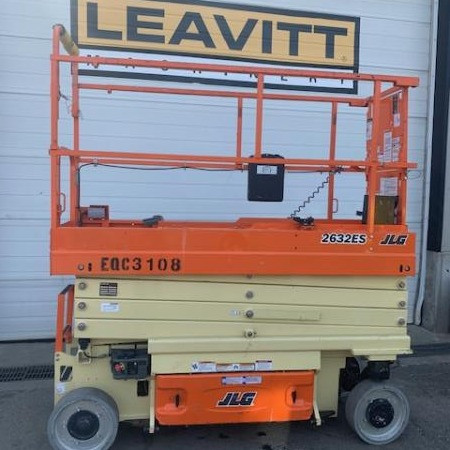
MEC: MEC Electric Scissor Lifts Wisconsin - Electric Scissor Lifts If you have not yet used an electric scissor lift in the past, you could rest assured that you would not feel the lift moving or feel like you are swaying in the wind while you are working. If you are not familiar with the machinery, it is understandable that prior to utilizing the machine, you might feel uncomfortable. Just remember, if the lifts did not pass different safety tests or were not trusted, they will not be available or sold at all on the market. When you are in the market to buy one an electric scissor lift, there are a variety of different sizes. The model you require will depend on the kind of applications you are performing. Some models are designed particularly for construction applications and they can take you to extreme heights if you are working on a building. On the other hand, if you must access different shelves in a factory environment, a smaller type will be sufficient. If you are not going to use it, you do not have to purchase the biggest model offered on the market. The lift is designed to help you succeed and complete your tasks; thus, there is a model suitable for each kind of task. There are optional railings and a platform for the workers on practically all electrical scissor lift models. These machinery offer a great deal of security and safety to ensure the worker does not feel like they are suddenly going to fall or the lift is going to break. These kinds of equipments are dependable and designed to keep you safe at all times. If these types of machinery did not follow strict safety standards they would not continue to be sold throughout the globe.
Daewoo: Daewoo LP Forklifts Wisconsin - How to Read a Forklift LP or propane Bottle Gauge Forklift drivers should know certain safety considerations when figuring out how to read a forklift propane bottle gauge. Drivers should know when the forklift is running low on fuel or propane. Some types of forklifts which are older are designed so that the forks lower slowly to the ground and the equipment automatically shuts off when it runs out of fuel. This is very unsafe and could result in product damage and personal injury. Newer models are designed differently to prevent this from happening. The driver can operate a handle which stops the forks from falling when the propane runs out. 1 Make certain you know where the propane gauge is located. Forklift propane gauge looks like an automobile's gas gauge. It is a small round object situated either on the propane tank's valve or on the forklift dash where the rest of the gauges and controls are located. 2 Always keep the gauge cover clean so that the lines and letters behind the glass are readable. 3 Situated at the bottom of the gauge is the indicator needle. This needle shows you how much fuel is still in the propane tank. 4 On the gauge: E represents empty and F represents full. When the needle arm touches the letter E, it would mean that the propane tank is completely empty. When the needle arm arrives at the letter F, it will mean that the propane tank is totally full. 5 Notice the line in the middle of the gauge. When the needle points at the halfway line it would mean the tank is half full of propane. 6 Typically, there are smaller lines midway between the halfway lines. These lines mean quarters. When the needle points at the quarter mark nearest the F, it means there is three-fourths of a tank remaining. When the needle touches the quarter mark nearest E, the tank is one-fourth full.
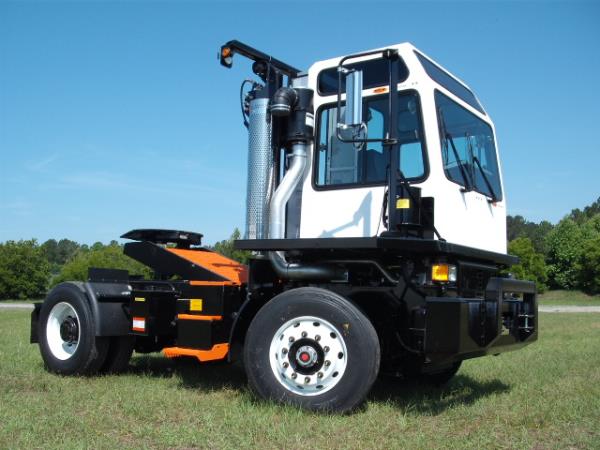
Kalmar: Kalmar Large Capacity Forklift Wisconsin - In order to be profitable in the business of handling empty containers, the goal of the game is to move as many units as possible in the shortest amount of time. These tasks need to be completed in a precise way and as safely as possible. Land area becomes more and more valuable each and every day. Effective utilization of the available land area utilizing high stacking methods and become crucial. Cargotec Kalmar is able to help your business solve the issues of efficient empty container handling since they are a global company, providing an extensive service and sales network. The company has established a solid reputation on being able to help their clients enjoy effective and practical solutions in regards to empty container handling. The masted empty container handler series is a part of the booming F generation counterbalance equipment range. The ECH or empty container handlers are based on proven technology. These equipment provide cleaner engines which offer a top-of-the-line diagnostic system, updated hydraulic systems, new electrical systems, a much more ergonomic cabin and much better fuel efficiency. This particular model is the ideal solution for customers who need lifting capacities of up to 7 tons and stacking heights of 4 or 5 high. The masted Empty container handlers are available with either a Volvo engine with 180 kW or a Cummins engine with 164KW. For Stage IIIB requirements, these machines could be equipped with a Volvo engine providing 185kW. Reach stackers offer another reliable choice for empty container handling. This particular system, provided by Cargotec's Kalmar Reach stackers provides 2 important conditions and requirements: fast stacking and minimum ground area. The reach stacker customer will have th alternative of choosing between many standard models, some optimized based on a range of features, including overall dimensions, stability and lifting capacity. For instance, clients can be provided with a Kalmar Empty reach stacker for narrow gangways, and high stacking operations. Moreover, the Kalmar variety of Masted empty container handlers are a terrific alternative for single stacking or twist-lock stacking and for double stacking or hook handling.